
Introduction to Hypertension and Heart Strain
Hypertension, also called high blood pressure, is common. It puts extra stress on your heart. Over time, this can lead to heart strain. Early detection of heart strain is important. With the right tests, doctors can spot problems before they get worse. Imaging for hypertension and Doppler test for heart health are helpful tools. These tests are available in many clinics in your area.
Why Early Detection Matters
Early detection of heart strain can save lives. When caught early, treatment works better. For example, you can make lifestyle changes or start medicines sooner. This lowers your risk of heart failure, stroke, or other problems. According to the World Health Organization (WHO), high blood pressure is a leading cause of heart disease. But, with early care, you can protect your heart.
Role of Imaging in Detecting Heart Strain
Imaging for hypertension helps doctors see how your heart is working. These tests use pictures to check your heart’s size and shape. They also show if your heart muscle is thick or weak. Some common imaging tests include:
With these tests, doctors can spot early signs of heart strain. For instance, they may see if your heart walls are thickening. This is often caused by long-term high blood pressure.
How Doppler Studies Help Identify Early Changes
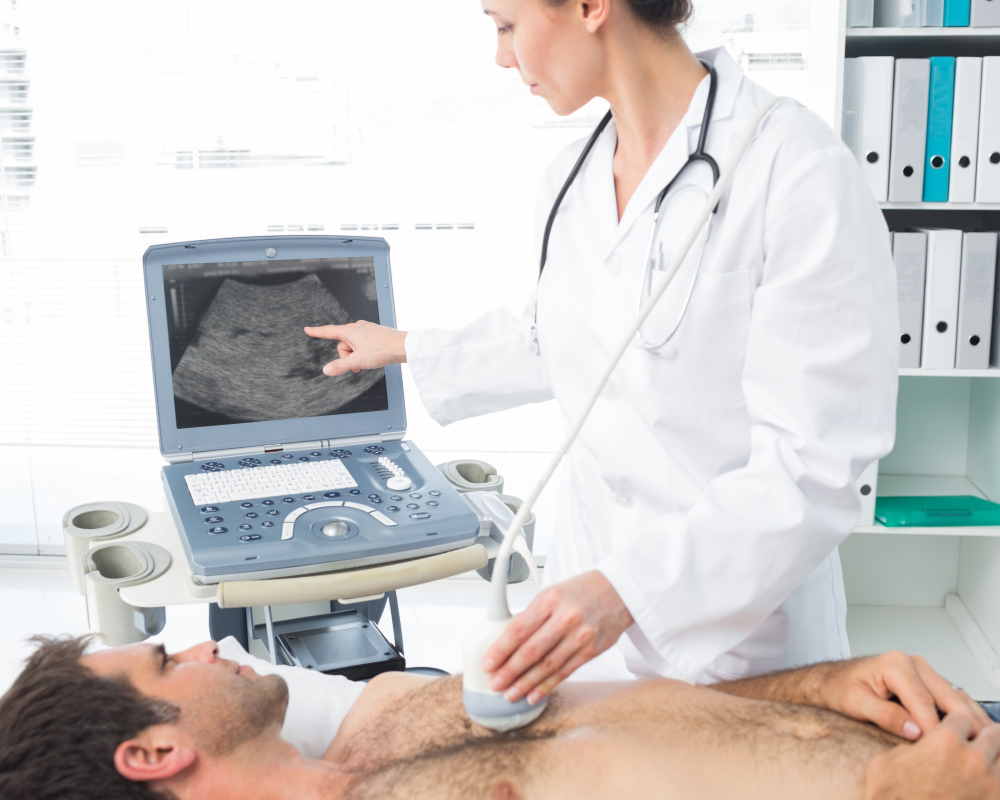
Doppler test for heart health is a special type of ultrasound. It measures how blood flows through your heart and vessels. Because it is safe and painless, many people can have this test. Doppler studies can detect:
For example, if blood moves too slowly or too quickly, it may mean your heart is under stress. Radiology in hypertension often uses Doppler to find these early changes. This helps your doctor plan the best treatment for you.
What to Expect During Imaging and Doppler Tests
Many people feel nervous before these tests. However, most imaging and Doppler tests are simple and quick. Here’s what you can expect:
After the test, your doctor will explain the results. If they find early signs of heart strain, they will discuss next steps with you.
Lifestyle Tips for Heart Health
Even if your tests are normal, you can take steps to protect your heart. For better heart health, try these tips:
Additionally, regular check-ups help catch problems early. Your doctor may suggest more tests if you have risk factors.
Prevention and When to Seek Medical Advice
Preventing heart strain starts with controlling your blood pressure. Take your medicines as prescribed. Also, follow your doctor’s advice about diet and exercise. If you notice symptoms like chest pain, shortness of breath, or swelling in your legs, seek help right away. Early detection of heart strain can make a big difference. Many clinics and radiology centers nearby offer these tests.
In summary, imaging and Doppler tests are key for early detection of heart strain from hypertension. They help your doctor find problems before they become serious.
Consult a radiologist at Insight Imaging for personalized advice on hypertension and heart health.