
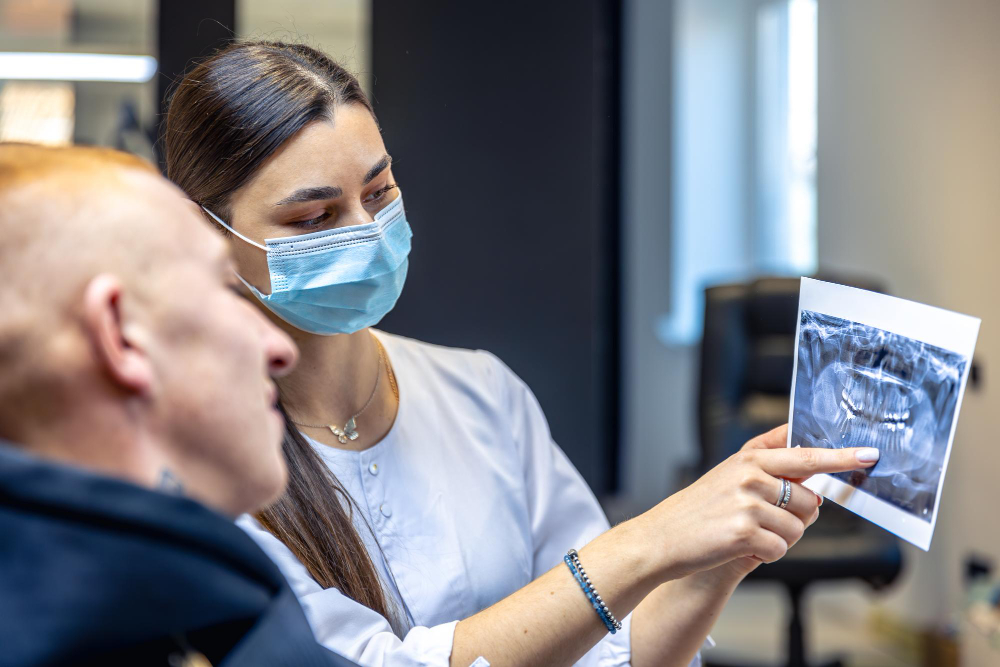
What is Dental Imaging?
Dental imaging is a way for dentists to see inside your mouth. It uses special pictures, like X-rays, to look at your teeth, gums, and jaw. Because many dental problems are hidden, dental imaging helps find them early. For example, a dentist cannot always see cavities or infections with just a mirror. So, dental imaging gives a clearer view.
Importance of Dental Imaging in Oral Health
Dental imaging is important for keeping your mouth healthy. First, it helps dentists spot problems before you feel pain. Also, it guides treatment, so you get the right care. For instance, dental imaging can show if you need a filling or a root canal. In addition, it helps check the health of your gums and jawbone. Therefore, regular dental imaging can protect your smile for years.
Common Types of Dental Imaging
There are several types of dental imaging. Each type helps in a different way. Here are some common ones:
Because each type has its own use, your dentist will choose the best one for you.
How Dental Imaging Helps Detect Problems Early
Early detection is key to good oral health. Dental imaging can find problems before they get worse. For example, it can spot small cavities that are not yet painful. Also, it can show infections or bone loss that you cannot see or feel. As a result, you can get treatment sooner and avoid bigger issues. According to the CDC, early care leads to better outcomes and lower costs.
Safety and Myths About Dental Imaging
Many people worry about the safety of dental imaging. However, modern dental X-rays use very low radiation. In fact, the amount is much less than what you get from natural sources each year. The American Dental Association says dental imaging is safe when done as needed. Here are some common myths:
What to Expect During a Dental Imaging Procedure
Dental imaging is quick and simple. First, your dentist or a trained staff member will place a small sensor or film in your mouth. Then, you may be asked to bite down gently. Next, the machine takes a picture in just a few seconds. You might wear a lead apron for extra safety. Most people feel no pain during the process. Afterward, your dentist will review the images and explain what they show.
Tips for Maintaining Oral Health
While dental imaging helps find problems, good habits keep your mouth healthy. Here are some tips:
By following these steps, you can lower your risk of dental problems.
Conclusion
In summary, dental imaging is a safe and important tool for your oral health. It helps dentists find and treat problems early, often before you notice any signs. If you have questions about dental imaging or your next check-up, consult at Insight Imaging to learn more about dental imaging and your oral health.