
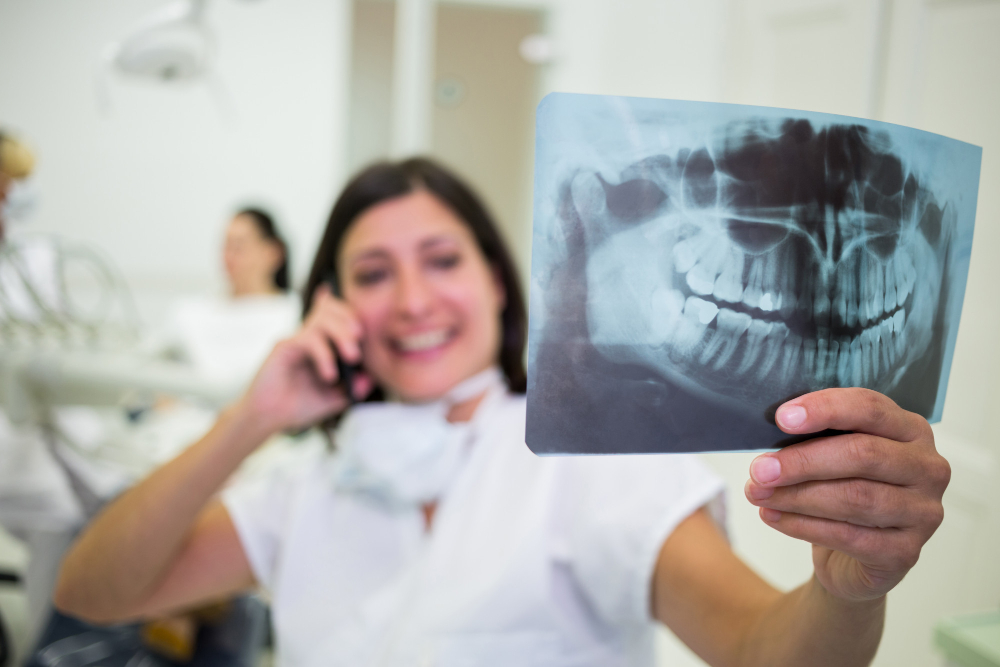
What is a Dental OPG?
A Dental OPG, also called an orthopantomogram, is a special type of dental X-ray. It shows a wide view of your mouth in one image. This includes your teeth, jaws, and surrounding bones. Dentists often use a Dental OPG scan to check for problems that may not be visible during a regular exam. Because it is quick and painless, many people find it easy to get.
How Does a Dental OPG Work?
During a Dental OPG scan, a machine rotates around your head. It takes a panoramic dental X-ray of your mouth. As a result, the image shows both your upper and lower jaws together. This helps your dentist see all your teeth and jawbones at once. The process uses a small amount of radiation to capture the image. However, the exposure is very low and considered safe for most people.
Common Reasons for Getting a Dental OPG
There are many reasons your dentist may suggest a Dental OPG scan. For example, it can help with:
Because it gives a full view, a Dental OPG scan is very useful in many dental cases.
What to Expect During the Procedure
Knowing what happens during a Dental OPG can help you feel at ease. Here is a simple step-by-step guide:
Most people find the Dental OPG scan quick and comfortable. You do not feel any pain during the process.
Benefits and Limitations of Dental OPG
Dental OPG scans offer several benefits. For instance, they provide a full view of your mouth in one image. This helps dentists spot problems early. Also, the scan is fast and does not hurt. However, there are some limitations. While it shows a broad view, it may not reveal very small details. Sometimes, your dentist may need other X-rays for a closer look.
Safety and Risks
Dental OPG scans use a low dose of radiation. According to the World Health Organization, dental X-rays are safe when used properly. Still, dentists avoid unnecessary scans, especially for children and pregnant women. If you are pregnant or think you might be, tell your dentist before the scan. This helps keep you and your baby safe.
How to Prepare for a Dental OPG
Preparing for a Dental OPG is simple. Usually, you do not need to do anything special. However, you should:
Because the scan is quick, you can return to your normal activities right after.
Frequently Asked Questions (FAQ)
Conclusion
In summary, a Dental OPG scan is a safe and helpful tool for checking your teeth and jaws. It gives your dentist a clear picture of your mouth in one simple step. If you have questions about Dental OPG scans, consult at Insight Imaging for personalized advice.